





Trade Values
Understanding How Dynasty Rankings Work Through Real Trade Data
When you are trying to find the right value for your fantasy players, understanding how dynasty trade analysis actually works can transform your decision making process. From my years managing dynasty leagues, I have learned that smart trades aren’t just about gut feelings but about understanding the underlying database of real transactions.
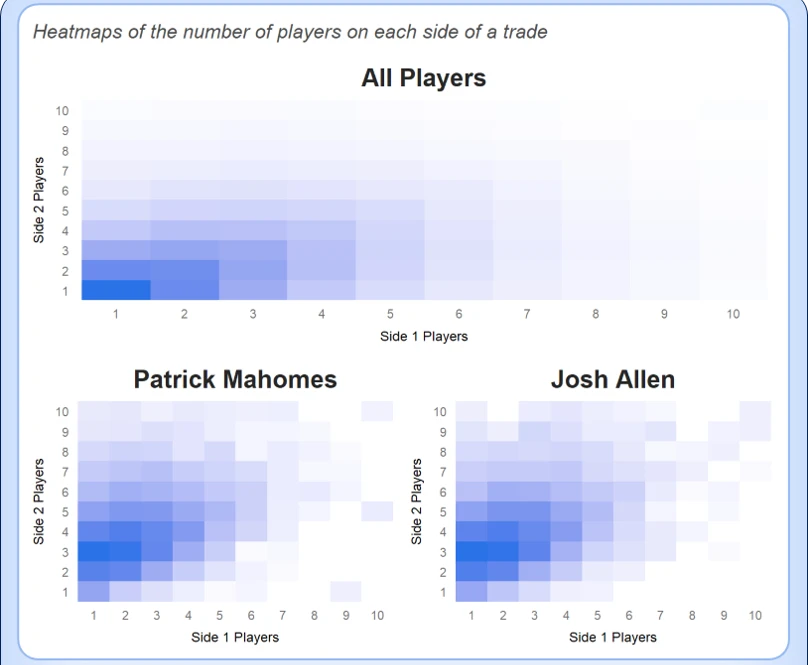
The Dynasty Trade Analyzer pulls from hundreds of thousands of actual trades to establish reliable trade values, and here’s how that process unfolds in practical terms. The algorithm begins with an initial optimization phase where it analyzes trade patterns across different player tiers for instance, while one-for-one trades might be most common for typical roster pieces, elite quarterbacks like Patrick Mahomes or Josh Allen typically require three-for-one trades because managers valued them much higher than standard assets.
What makes this system reliable is how it handles outlier trades, the model assigns each transaction an outlier score and systematically removes deals that fall outside reasonable parameters, ensuring that one unrealistic trade doesn’t skew your player’s trade value. The optimization algorithm then adjusts for your specific league settings, because what works in 1QB formats differs dramatically from Superflex leagues, and modifications for TE Premium, PPR settings, and the number of teams all factor into your final trade value calculations.
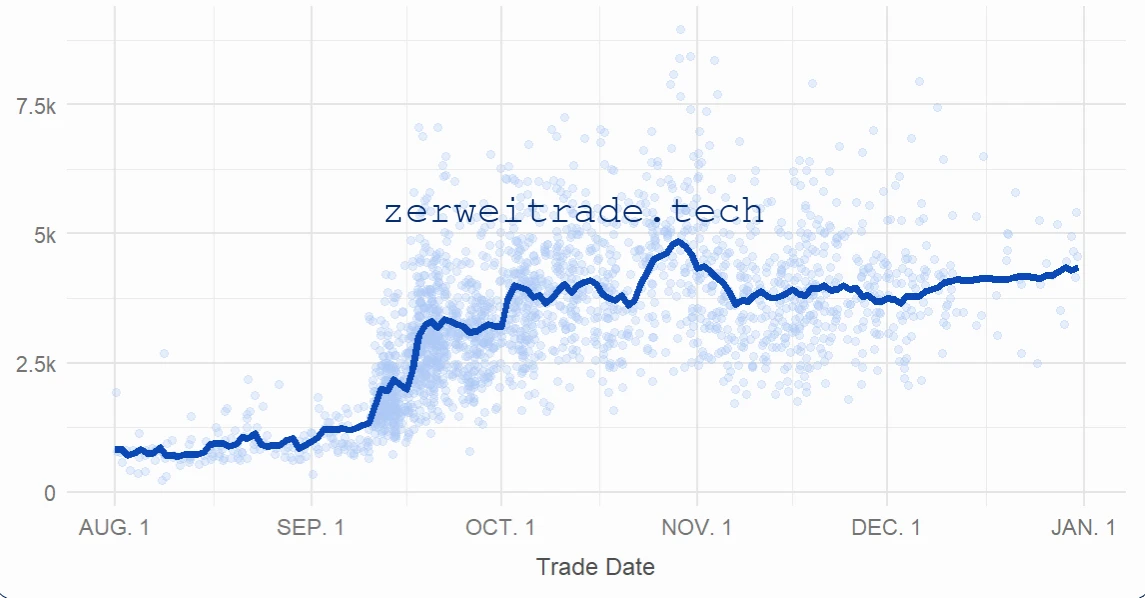
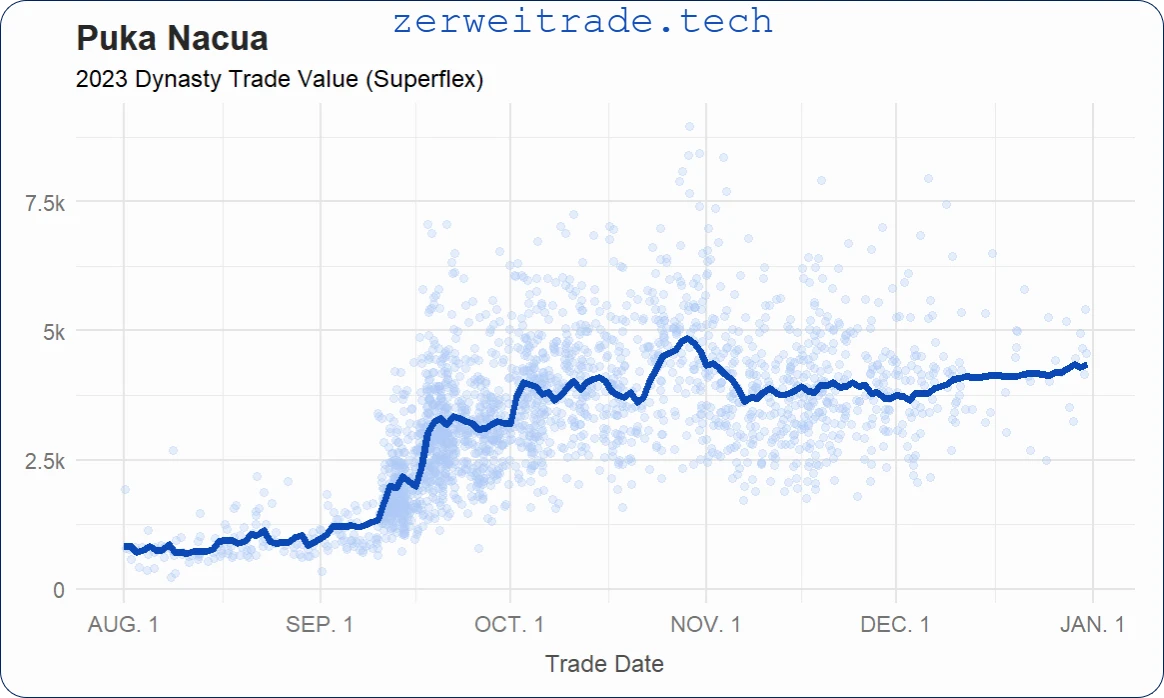
Through regression techniques, the system processes both league types separately before blending them with setting specific adjustments. The recency component is crucial recent trades carry more weight in the calculation because yesterday’s value matters more than last season’s, which you can actually see on each Player Profile page where the blue line represents the calculated trade value positioned in the middle of scattered points showing implied trade values from individual transactions.
The goal is not to predict the future but to take an average of what real managers are actually doing over time, giving you a current trade value that reflects market reality rather than theory. When you check the graphs, you’ll notice how the algorithm compares each deal against existing values, flagging transactions where a player was valued much lower or higher than their established baseline.
Trade Analyzer Fantasy Football
These become outlier trades that don’t go into the final calculation. Understanding these main components helps explain why the trade values you see aren’t arbitrary numbers but represent the collective wisdom of thousands of actual league managers making real decisions, weighted toward recent activity while filtering out unrealistic deals.
What techniques does this system use that you should care about? The regression analysis adjusts raw data for context, the optimization process finds the highest quality signal from noisy data, and the recency weighting ensures you are getting current information rather than outdated benchmarks. Whether you are running a rebuild or competing now, whether your teams play in standard or premium formats, this database driven approach gives you a starting point grounded in what actually happens when managers run their leagues.
To illustrate, consider how Puka Nacua’s dynasty trade activity appeared throughout his first year in the league.
Why is not my player in the rankings?
Our dynasty rankings feature the 400 most frequently traded players, while our redraft rankings display the top 200 most common trade targets. Players can shift in or out of these lists based on how often they’re involved in trades. When a player gets traded more consistently, they appear in the rankings, but if trade activity drops, they may disappear. Additionally, each player must reach a minimum threshold of trade transactions before they’re included in our database.
Week 1 Fantasy Football Tight End Rankings
How do the redraft trade values work during the offseason?
We run a model that uses dynasty value, age, and position to establish our redraft values when the season is not active. This technique closely approximates the redraft trade values we would calculate from actual trades, allowing us to provide values throughout the entire year. Once the season begins, we switch to calculating our redraft trade values directly from trades occurring in redraft leagues.
How can one of the best players be the top faller?
Several factors explain why a player at the highest tier of the rankings might also be a top riser or faller. First, our trade values follow an exponential distribution pattern, meaning players positioned at the top experience a higher standard deviation compared to those in the middle of the rankings. Second, elite players at the very top get traded less frequently than mid-tier assets, so because there are not as many trades involving these premium players, their trade values become more sensitive and reactive to each individual trade that does occur.
Trade Calculator
Why do not you rescale player value to make the top players more valuable?
Our trade values already follow an exponential curve rather than a linear progression, so we don’t need to artificially inflate value for elite players in the calculator—this optimization is already built into our model and reflected in each player’s assigned values.
How does the waiver adjustment work?
While our models naturally account for multi-player trades because we train the algorithm on transactions involving fewer than 12 total players, the calculator must display the value of the bench spot or waiver player that the system implicitly factors in to balance the trade. We add a small value to represent a bench position, and this amount increases with each additional roster spot that must be sacrificed to complete the transaction.
Since the average dynasty league in our database contains 11.3 teams and 26.7 roster spots, our model calculates player value assuming the player added or dropped to finalize a 2-for-1 trade ranks around the 300th best player, which our algorithm estimates to be worth approximately 425 points.
To execute a 3-for-1 deal, two players must be dropped, so the model assumes the roughly 290th ranked player gets removed from the roster. We incrementally increase the waiver adjustment for each additional player included in the trade.
League Analyzer
Why is not my league loading?
Ensure your league is configured as public, and if you’re using Sleeper, verify that it’s been updated to the 2023 season.
Do you adjust my league’s player trade value by the league’s settings?
Absolutely! We automatically adjust the player rankings based on your specific league settings, including the number of quarterbacks, teams, and PPR scoring format.
cdzgwj
vlsqkh